Student projects
The streams we supervise, and what separates a project that passes from one that gets remembered. Every project is the student's own — we guide, review and assess.
Project streams
Four areas we supervise
Pick the stream closest to your programme. If your project spans two of them, that is normal — say so when you apply.
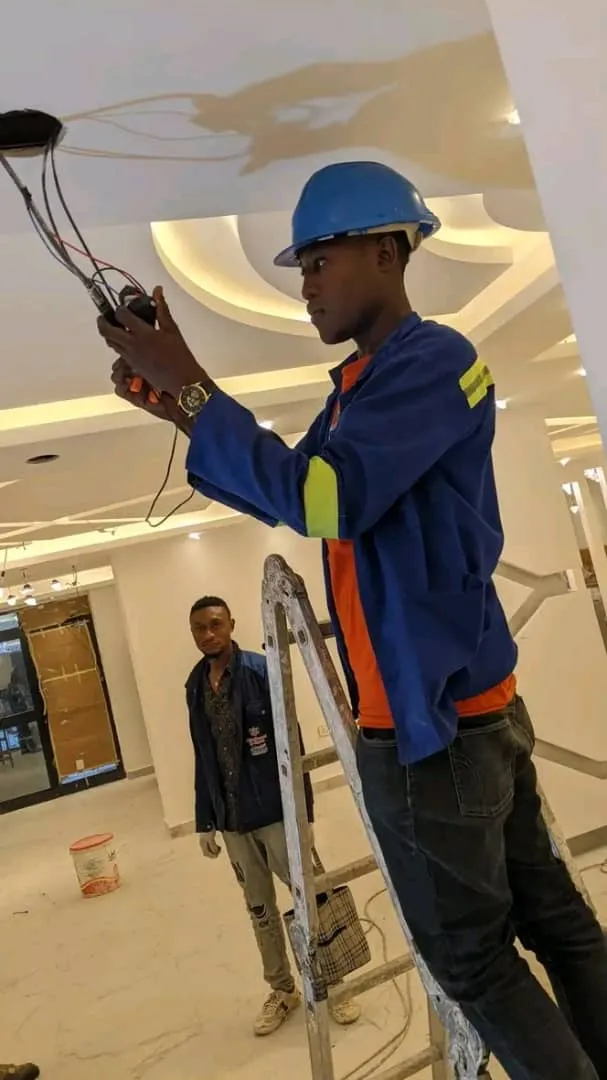
01Power Systems
Power Systems & Distribution
Distribution network modelling, protection coordination and machine performance studies — the stream where a clean simulation and a defensible set of assumptions usually decide the grade.
Typical scope
- Load flow and fault-level analysis
- Protection and relay coordination
- Transformer and machine testing
- Power quality and harmonics studies
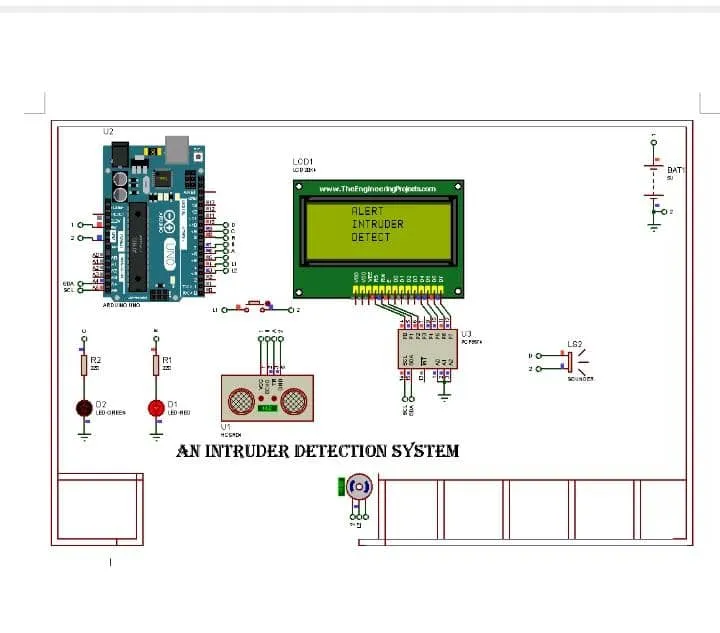
02Embedded Systems
Embedded Systems & IoT
Microcontroller-based hardware with firmware and, increasingly, a connected element. We push hard on scope here — most failed projects in this stream were simply too ambitious for one semester.
Typical scope
- Sensor interfacing and signal conditioning
- Firmware architecture and debugging
- Wireless links and data logging
- Enclosure, power budget and field testing
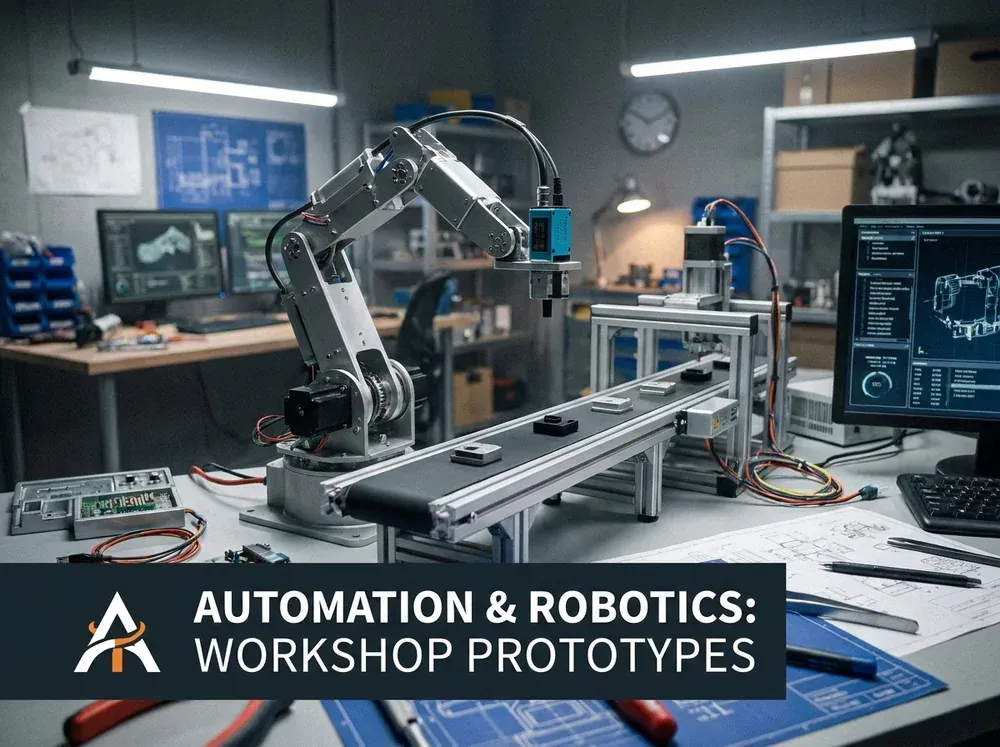
03Automation
Industrial Automation & Control
PLC and control-system projects built around a real process rather than a textbook example, including the instrumentation and safety interlocks a working line would need.
Typical scope
- PLC programming and ladder logic
- HMI and SCADA interfaces
- Process instrumentation
- Control loop tuning and validation
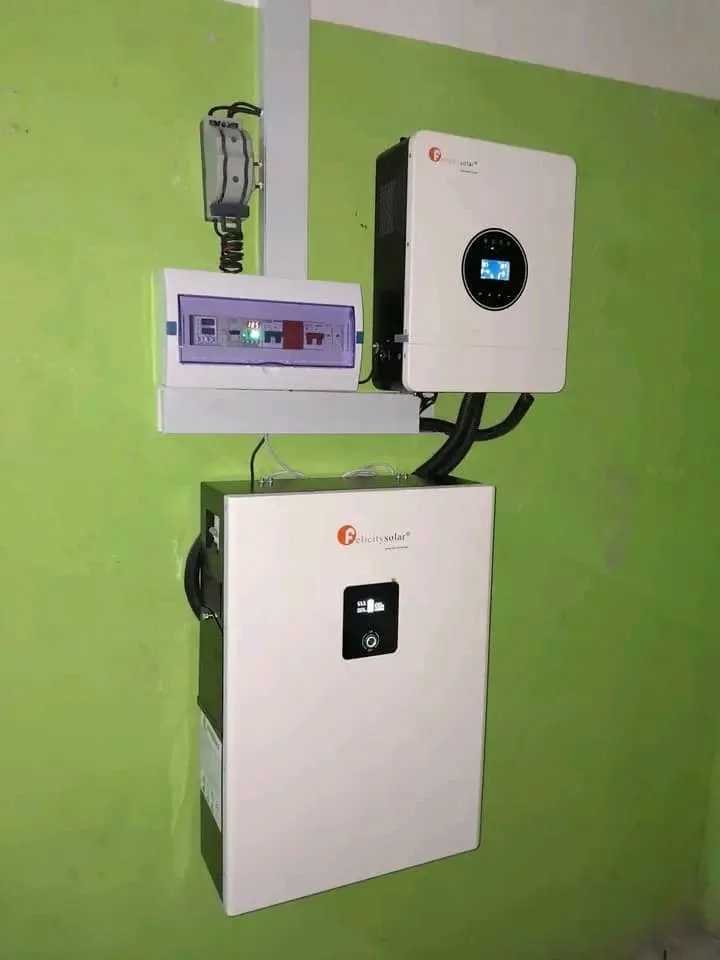
04Renewable Energy
Renewable Energy Systems
Solar and hybrid system design grounded in measured load data and local irradiance figures — not the manufacturer datasheet numbers that make a design look better than it is.
Typical scope
- Load profiling and system sizing
- PV array and inverter selection
- Battery storage and autonomy modelling
- Payback and lifecycle costing
How supervision works
Four stages, every project
- 01
Scope it honestly
We cut the project down until it can genuinely be finished and defended in the time you have. This is the single most common reason projects fail.
- 02
Methodology before build
You agree how the result will be measured and validated before you start building. Examiners ask about method, not effort.
- 03
Build with review points
Scheduled check-ins against your own plan, so problems surface in week four rather than the week before submission.
- 04
Write and defend
Structure, technical writing and a mock defence — because a good project still fails if it cannot be explained.
Published work
Why no student names appear here
Supervised projects belong to the students who built them.
We publish a project only with the student's written permission, and we will not put someone's academic work on a company page to make the page look fuller.
If you have been supervised by us and would like your project featured, get in touch — we would be glad to.
Get in touch
Want your project supervised?
Apply for a placement or project supervision.
Direct
Molyko, Buea
South-West Region, Cameroon